


Back-to-School: Reward and Motivation Ideas for Your Students (or Your Kids) 🎒
Back-to-school season is exciting... and exhausting. New schedules, new expectations, new energy to manage — whether you're running a classroom of 20 kids or juggling one or two at home. After a few weeks, that initial motivation tends to fade, and that's exactly when a good reward system can make all the difference.
Here's how to build an approach that actually works, without tipping into over-stimulation or reward dependency.
Why Kids Need External Motivation (At First)
Young children haven't yet developed strong intrinsic motivation — the ability to put in effort simply because "it's the right thing to do." A well-designed reward system acts as a bridge: it helps the child repeat a behavior long enough for it to become a habit, and eventually a source of personal pride.
The most common mistake is relying solely on expensive material rewards or vague promises ("if you're good..."). What works better are visual, immediate, and low-cost systems.
1. The Visual Motivation Chart 📋

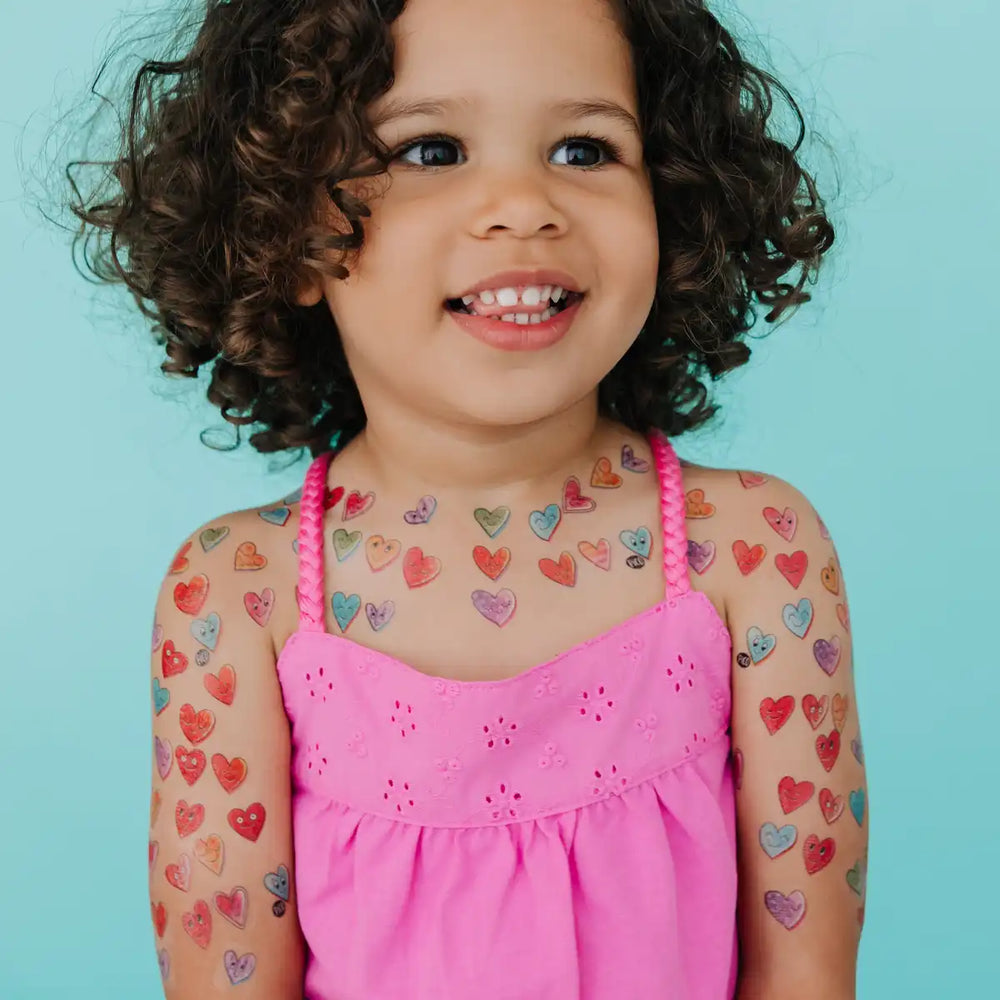
A simple chart with boxes to fill in (stickers, checkmarks, temporary tattoos to stick on) gives the child concrete proof of their effort. The advantage of a visual system: the child can see their own progress without needing constant reminders from an adult.
Practical tip: aim for a short-term goal (one week) rather than a vague month-long target — kids under 8 have a limited sense of time.
2. Small Immediate Rewards Beat One Big Delayed Reward ⭐
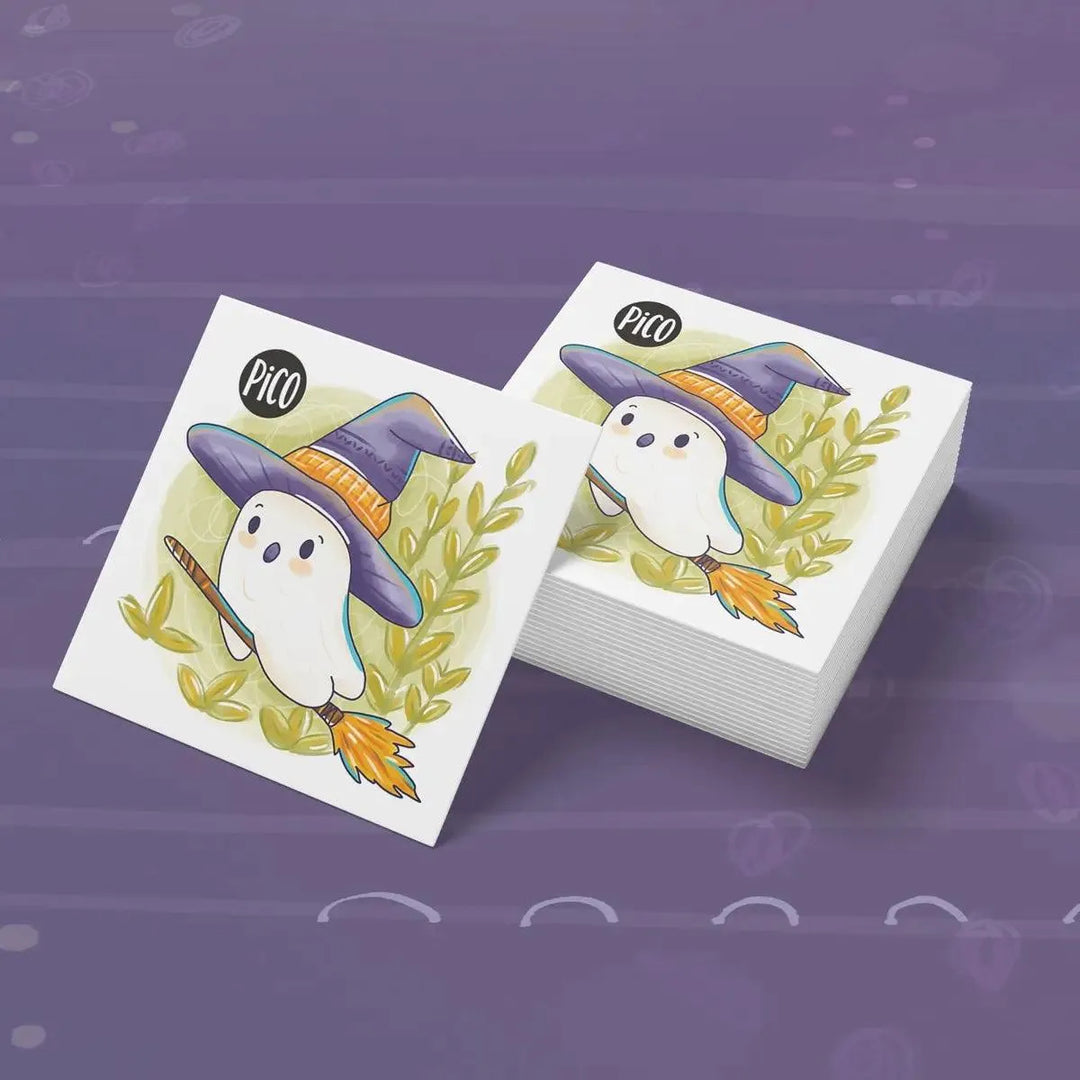
A child motivated by a trip to the park in three weeks will likely lose patience long before it arrives. Small, immediate, low-cost surprises — a temporary tattoo, a sticker, a collectible card — keep interest alive without creating an expectation of ever-bigger rewards.
This is also a practical solution for teachers and daycare educators managing a group: handing out a small, low-cost surprise to every child who reaches a goal avoids the trap of "bigger prize every time" and keeps things fair across the whole group.

3. Match the Reward to the Age
- Ages 2-4: sensory, immediate rewards (sticker, tattoo, applause)
- Ages 5-7: progress chart with small cumulative surprises
- Ages 8+: privileges (choice of activity, extra time) combined with sincere verbal recognition
4. Don't Skip Verbal Recognition 💬
A material reward works best when paired with a specific sentence about *what exactly the child did well* — not just "good job," but "I noticed you put your crayons away without being asked." That specificity helps the child understand exactly which behavior is being valued, and paves the way toward more intrinsic motivation over time.
5. For Classrooms and Daycares: Keep It Simple and Fair
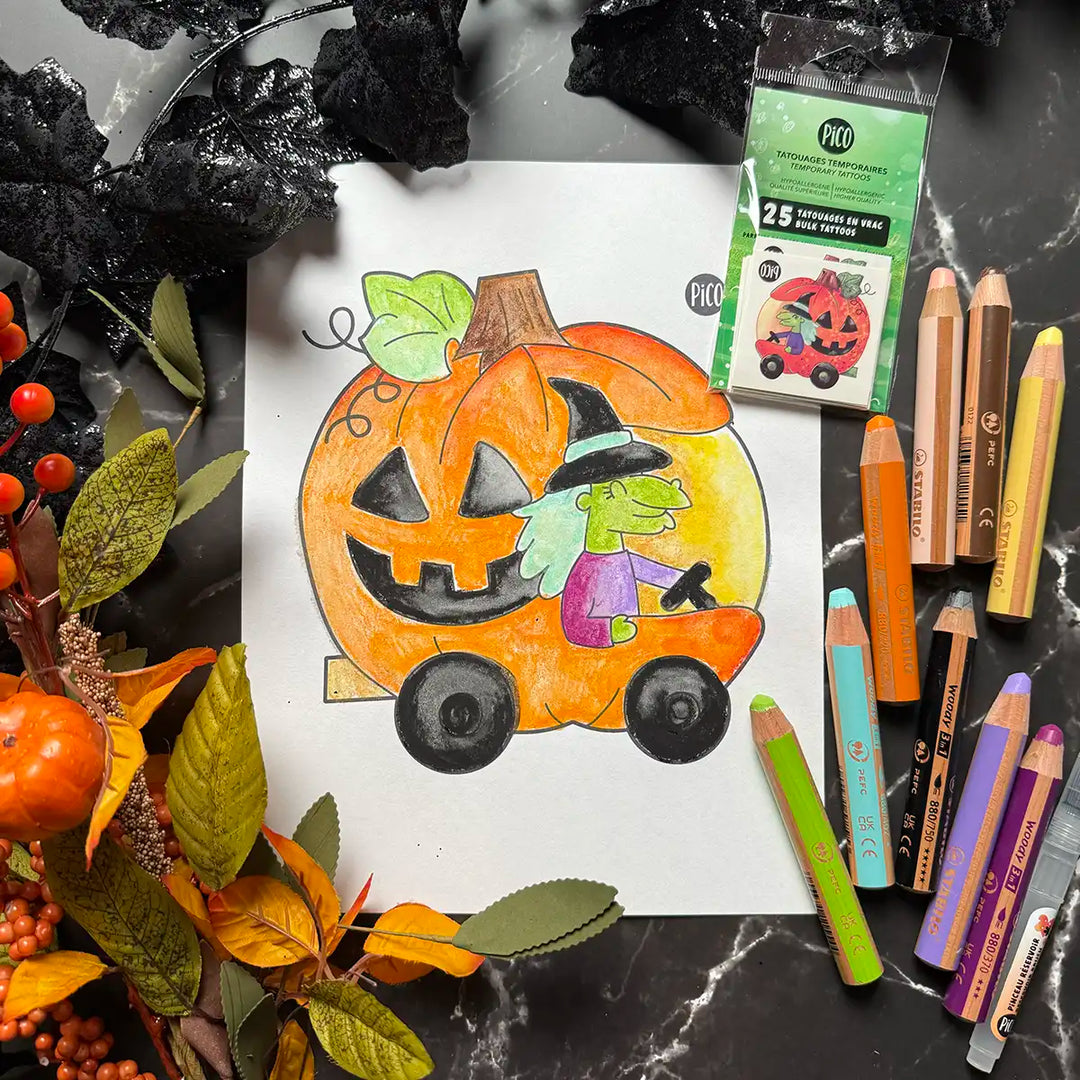
In a group setting, simplicity is key. A system where every child gets an identical small surprise for reaching a goal — rather than a ranking or a competition — avoids comparisons between kids and keeps the mood positive. Bulk temporary tattoos are especially handy here: easy to hand out, loved by almost every child, and affordable even for a large group.
In Short
A good back-to-school motivation system rests on three pillars: visible progress, immediate reward, and specific verbal recognition. Whether you're a parent, an educator, or a teacher, the goal stays the same — helping kids connect effort with a sense of pride, not just with an object.
Looking for a practical way to kick off your motivation system this year?
Our bulk temporary tattoos and our school reward stickers are made exactly for this — small price, big smiles guaranteed.